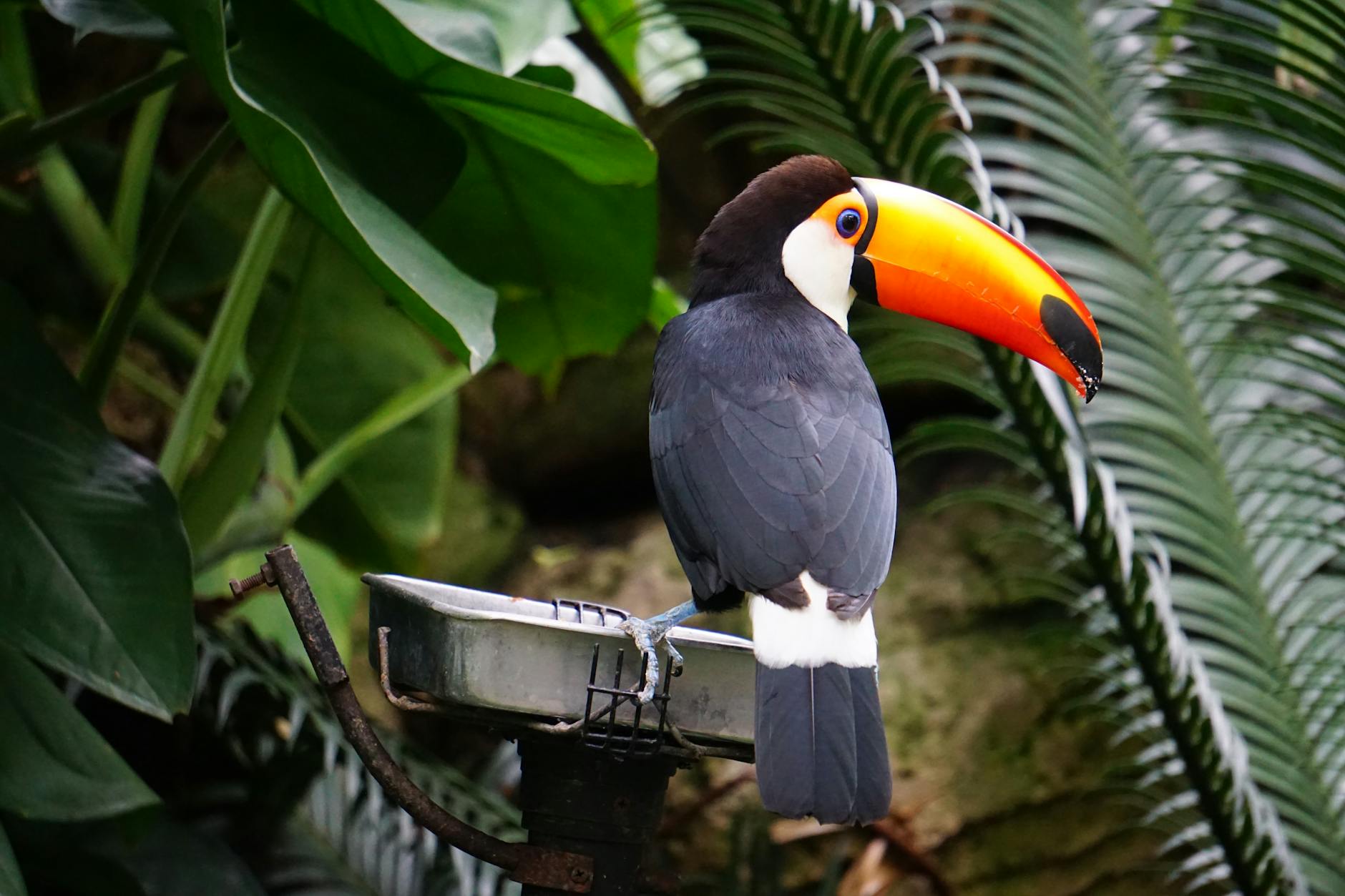
- Biomes are large geographical areas distinguishable by their specific plant and animal life. They are grouped together by similar climate, soil, and vegetation.
- Rainforests are lush, dense forests found in warm, tropical regions often found near the equator.
- Please consider subscribing and liking this post so that you are notified every time I post new content. I also have a TeachersPayTeachers store that you can connect to here and I regularly post on pinterest.
What are Biomes?
Biomes are large geographical areas distinguishable by their specific plant and animal life. They are grouped together by similar climate, soil, and vegetation and can be either terrestrial or aquatic.
Biomes are the next step in habitat and environment lessons. They build on what has already been taught in the early elementary grades. Where a habitat is the area a specific group of flora or fauna live in, biomes contain many habitats that share a similar environment. For example, a coral reef is a habitat for clown fish and kelp forests are habitats for sea urchins. However, both of those habitats are found in the ocean biome.
Rainforests
Rainforests are lush, dense forests found in warm, tropical regions. They are found on every continent around the world, usually near the equator, with the exception of Antarctica. They receive a lot of rainfall, often over 100 inches a year, which is why they’re called “rain” forests. They have 4 distinct layers and are home to more plant and animal species than any other place on the planet.
Rainforests play vital roles in the Earth’s climate and weather as they clean the air by taking in carbon dioxide and releasing oxygen. In fact, they produce as much as 40% of the world’s oxygen. Rainforests also provide people with many needed commodities such as fruits, nuts, and medicines.
Fun Rainforest Activities
Biomes such as rainforests can be taught in a variety of ways. Age-appropriate books and videos, informative passages, and themed arts and crafts are all great ways to teach your child about rainforests. Here are some of my family’s favorites:
- Kid-Friendly videos such as PBS Kidvision Rainforest, Rainforest Facts for Kids, and Explore the Rainforest! provide children with fun facts about rainforests while engaging visual learners.
- Books like Rainforests from National Geographic Kids, The Great Kapok Tree: A Tale of the Amazon Rain Forest by Lynne Cherry, and One Day on our Blue Planet: In the Rainforest by Ella Bailey offer a great way to incorporate ELA elements into your science lesson. You can have your child read aloud to practice their reading and speaking skills. Continuing that ELA line, you can have quizzes or have them create a book report over the reading material.
- Doing arts and crafts is another great way to immerse your child in a lesson. We like to make posterboard habitats. I let my kids cut out animal pictures from magazines or we print some off from online. Then they use markers, construction paper, or whatever they can find in our arts box to make their habitats poster. This is usually a 2-day art project that we spread over the 3–4-day lesson about each habitat or biome.
- Another creative way to engage your children is to decorate your classroom with rainforest décor. This can be handmade, printed items, or bought decorations from party supply stores, teacher resource outlets, or online shops. I created a handmade rainforest wall to really engulf them in the lesson.

Using a combination of different information-rich resources and visual engagements makes learning fun and will create lasting memories that your child will carry with them.
My Biomes: Rainforest Packet
Learning about different biomes and habitats is a requirement for all students. Lessons going over these science concepts should not only be educational but will be better received if they are also fun. That’s why I created a biomes: rainforest worksheet pages packet to keep your children engaged in the lesson and ready to learn more.
The packet contains 9 colorful pages of educational and engaging worksheets. One of these pages is a crossover to pair with informational writing in ELA. It asks the student to research their favorite rainforest animal and write an informational paragraph about it. This helps students with research skills as well as writing skills and lets you take the rainforest lesson a little further in your school day.


Three of the pages go together as a reading/comprehension set. One page gives information about amazing animals of the rainforest and a second talks about different rainforest from around the world. Alongside these two pages is a fill-in-the-blank comprehension page. This again allows your science lesson to crossover with informational texts in literature.

The packet also contains an informational reading passage about rainforests with a corresponding reading comprehension questions worksheet, a page containing fun facts about rainforests, and an arts and crafts rainforest poster-making activity. You can find the link to this packet below.

Here is a link to my Biomes: Rainforest packet on my TPT store. –>

I hope that this rainforest creative lesson helps to add a little extra fun to your science class. If you found this blog helpful please consider subscribing to and liking this post as it will help to grow the community as well as let me know which type of posts are more beneficial for you. For a social studies creative lesson covering producers and consumers, check out this blog. If you are interested in other creative worksheets, check out my TeachersPayTeachers store here.
Find us on Pinterest

Have you found a fun and captivating way to teach your child biomes and habitats? If so, share your lesson ideas with the community in the comments below.
Leave a Reply