Category: Creative Lessons
-
Creative Lesson: One More and One Less

Teaching Counting Concepts Teaching young children the concepts of “one more” and “one less” is an important foundation in early mathematics. These skills help your early elementary children develop number sense, understand patterns, and prepare for addition and subtraction. Because young learners think best through hands-on experiences, you should try…
-
Creative Lesson: Will it Melt?
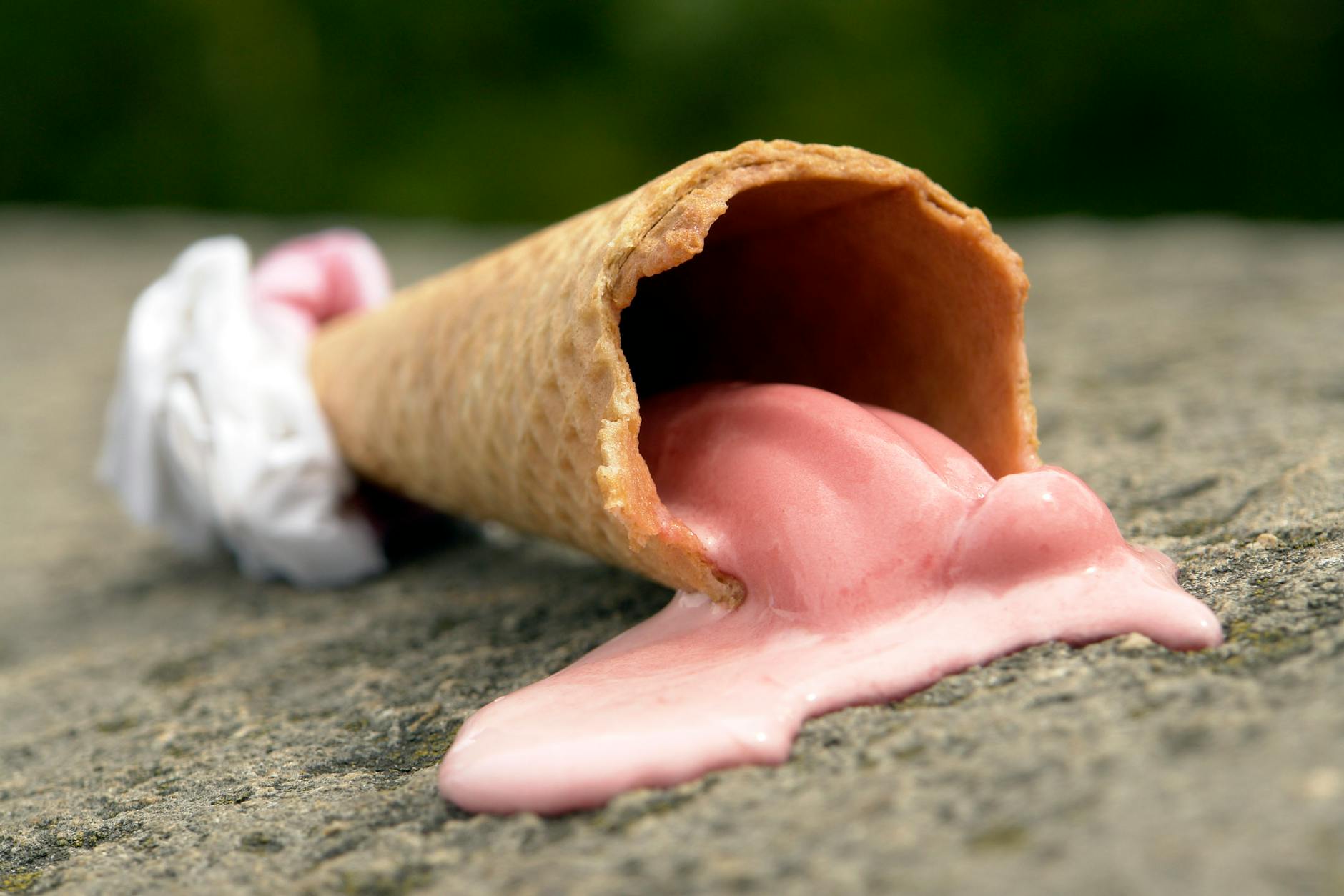
Teaching Melting Concepts to Early Elementary Teaching science concepts to early elementary aged children is important because it nurtures their curiosity, helps to build critical thinking skills, and lays a strong foundation for their future learning. Melting is an early education science skill that is usually introduced in the pre-school…
-
Creative Lesson: Sorting

Teaching Sorting and Categorizing Sorting is an important early education math skill that is usually introduced in the toddler and pre-school years. The skill helps children develop the ability to observe, compare, and organize the world around them. Young learners begin to learn categorizing by sorting objects according to size,…
-
Creative Lesson: Multiplying with Arrays

Teaching Multiplying with Arrays Multiplication is a fundamental math skill that children generally begin to learn in the 3rd grade. One of the most effective and engaging strategies for teaching multiplication is through the use of arrays. Arrays help children visualize multiplication as repeated addition and provide a concrete way…
-
Creative Lesson: 1-1 Correspondence

Teaching 1-1 Correspondence One-to-one correspondence is a fundamental mathematics skill taught in the early elementary years that forms the basis of counting and understanding number value. It refers to the ability to match one object to one other object or number. This allows children to grasp the idea that each…
-
Creative Lesson: Simple Machines

Teaching Simple Machines Simple machines are fundamental tools that have been used for thousands of years to make work easier. These basic tools form the foundation of the more complex machines that we use today. The six basic simple machines are the pulley, lever, wheel and axle, inclined plane, wedge,…
-
Creative Lesson: Reduce, Reuse, and Recycle

Teaching Reduce, Reuse, and Recycle Reduce, Reuse, and Recycle, also known as the “3 R’s”, promote resource conservation and the minimization of waste. Learning to reduce means trying to minimize the amount of materials that you use. This includes things like using a reusable water bottle instead of plastic ones,…
-
Creative Lesson: Rainforests
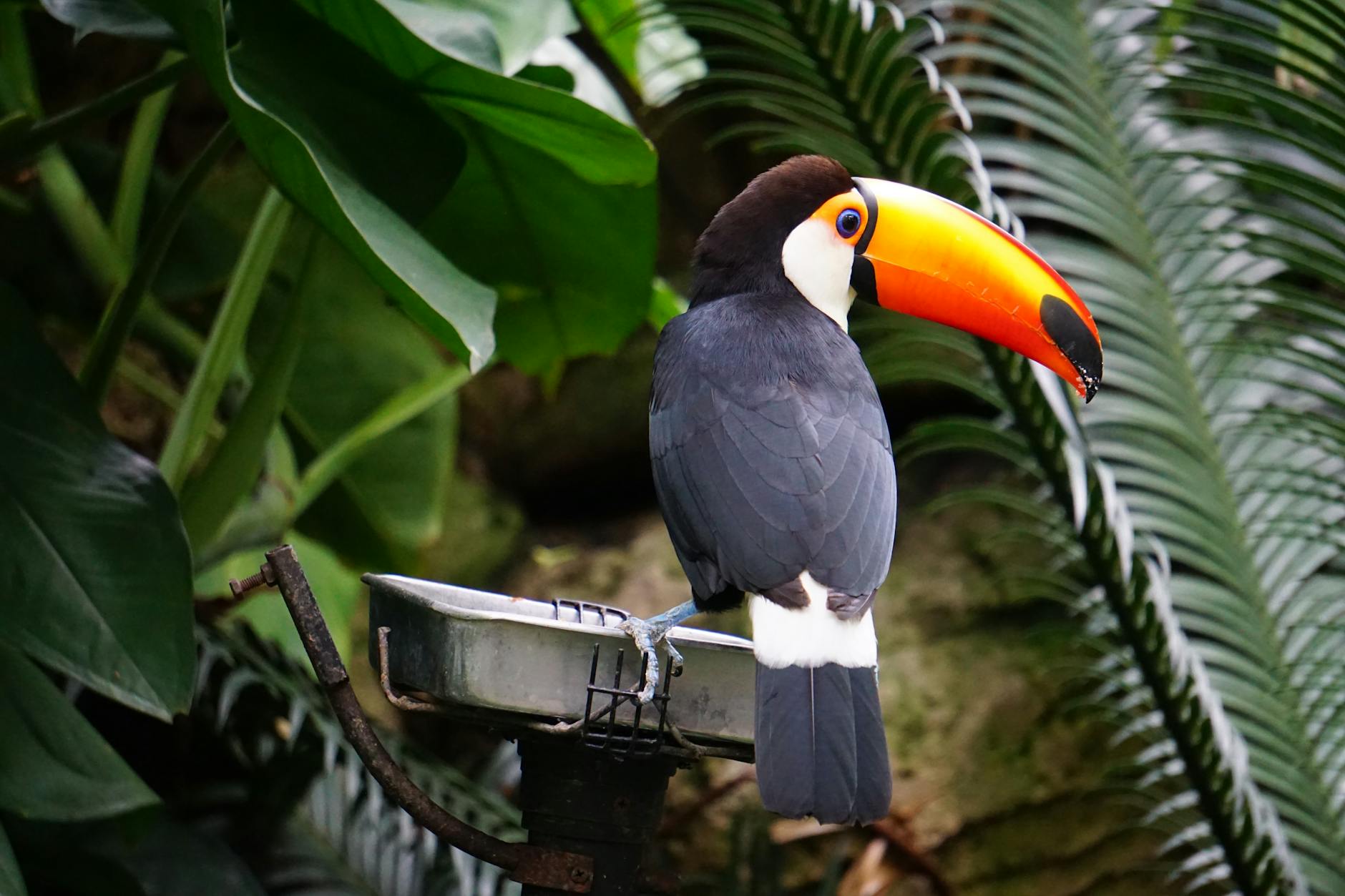
What are Biomes? Biomes are large geographical areas distinguishable by their specific plant and animal life. They are grouped together by similar climate, soil, and vegetation and can be either terrestrial or aquatic. Biomes are the next step in habitat and environment lessons. They build on what has already been taught…
-
Creative Lesson: Producers and Consumers
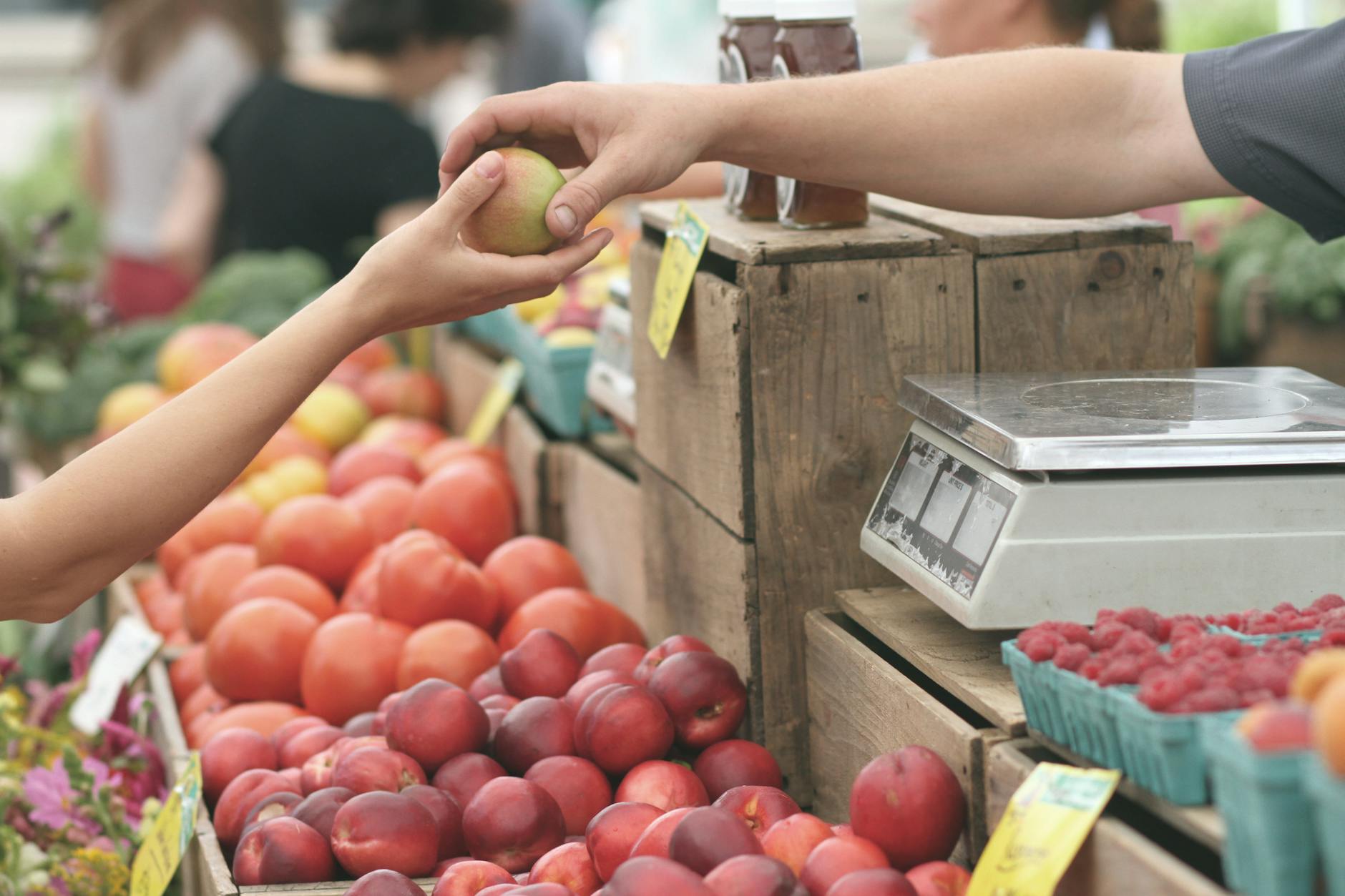
What are Producers and Consumers? Producers are people who produce goods or provide a service. Consumers are people who buy those goods and services. Most people are both producers and consumers. For example, a seamstress buys cloth and thread as a consumer, but when they make clothes and sell them,…
-
Creative Lesson: Volcanoes

Teaching Geographical Features Geographical studies begin in early elementary grades. In as early as the first grade, students begin learning basic concepts such as continents and oceans. This is built upon over the next few years to include landforms like mountains, plains, valleys, and rivers. Once a student reaches upper…