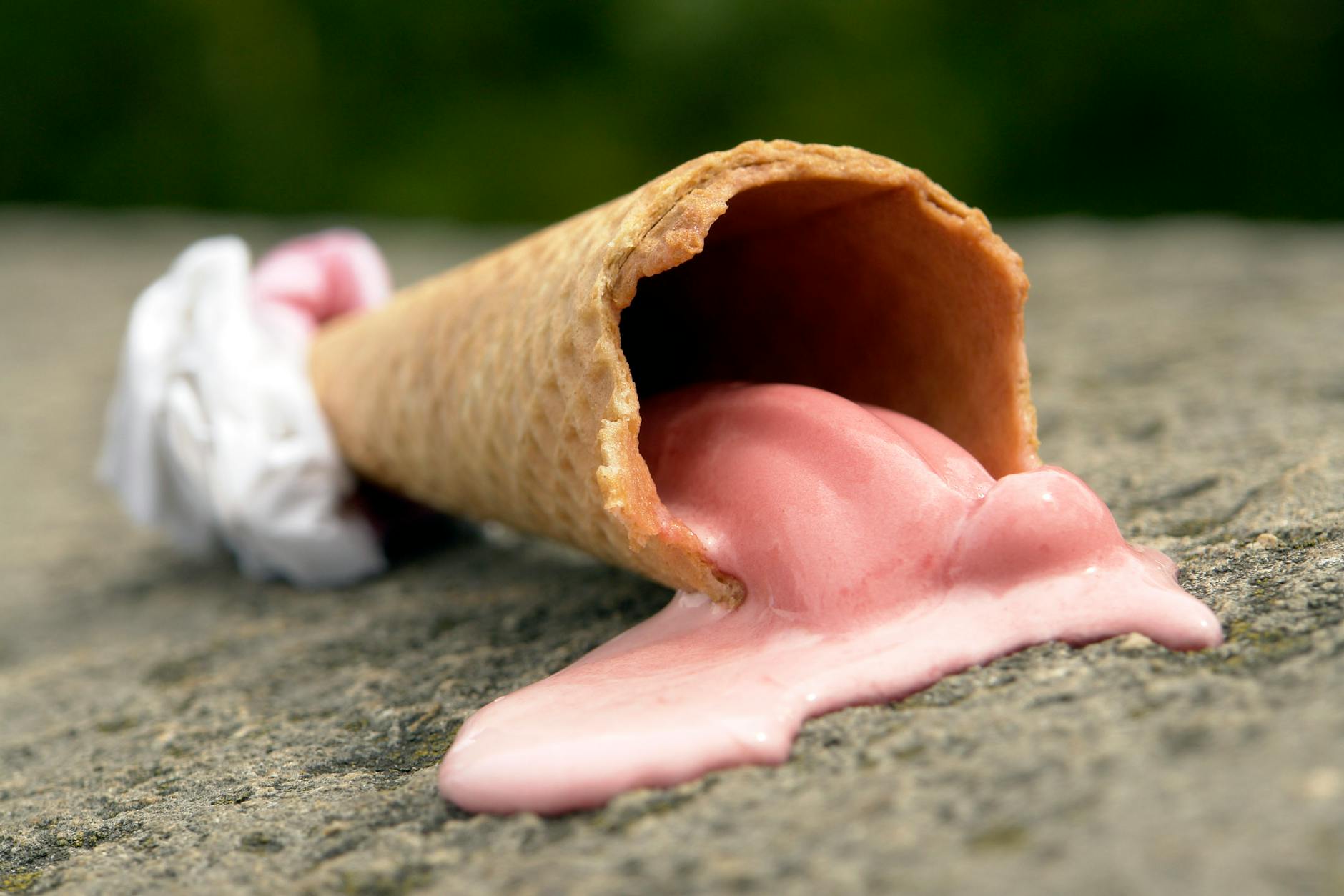
- Teaching young children science concepts like melting builds curiosity, critical thinking, and a foundation for future learning, especially when lessons use simple language and hands-on experiences.
- Effective instruction should connect melting to familiar experiences (like ice cream melting) and be explained in a simple way.
- Using hands-on activities, books, and worksheets helps children understand melting while developing a broader understanding of how temperature changes matter.
- Please consider subscribing and liking this post so that you are notified every time I post new content. I also have a TeachersPayTeachers store that you can connect to here and I regularly post on pinterest.
Teaching Melting Concepts to Early Elementary
Teaching science concepts to early elementary aged children is important because it nurtures their curiosity, helps to build critical thinking skills, and lays a strong foundation for their future learning. Melting is an early education science skill that is usually introduced in the pre-school and kindergarten years. At this age, children learn best through observation, play, and real-life experiences. Lessons on this concept should use simple easy-to-understand language, familiar materials, and engaging hands-on activities that allow your child to see and feel changes in matter.
When teaching the idea of melting to your child, it is important to use a combination of manipulatives, hands-on activities, and guided practice. This provides both fun and education and helps your child to better make sense of the information in a structured, meaningful way. Begin the lesson by connecting the concept of melting to experiences that they have had. Many children have seen ice cubes melt in a drink or ice cream melt on a hot day. Start with a discussion about these familiar situations. This will help your child relate to the topic. Next, a clear and simple explanation of melting should be introduced. For early elementary students, melting can be described as what happens when something solid gets warm and turns into a liquid. However, you will need to help them to understand that not all things melt, or at least not under regular day-to-day circumstances.
With this in mind, I suggest starting these lessons with a hands-on learning activity using small everyday items. Once the basics of the concept are mastered with physical items, move on to other educational avenues such as age-appropriate books and worksheets.
Will it Melt Hands-On Activities
Melting can be taught in a variety of fun ways. However, showing your child everyday items around them that will melt in the sun is one of the easiest and most effective methods. Here are some ways to incorporate hands-on learning with your science lesson:
- Manipulatives: Provide your child with an array of physical items like buttons, blocks, ice cubes, small toys, a piece of chocolate, etc. Making sure that it is a mixture of items that will melt and that will not melt in the sun. You can have your child place several of these items in something like a cupcake pan or an egg carton. While they are doing so, ask them which items that they believe will melt and which ones they think will not melt. Encourage them to verbalize their reasoning: “I think ___ will/will not melt because…”.
- Sorting Mats: Another way to practice melting is to use pre-made mats (you can make them yourself). Label the mats “melts” and “doesn’t melt” and have your child place objects or pictures of objects onto the correct category.
Other Fun Activities
Some other fun and engaging learning activities include age-appropriate videos and books. Here are some of my family’s favorites:
- Kid-Friendly videos such as Elinor Wonders Why: The Mystery of the Melting Ice by PBS Kids and Common Examples of Melting in Everyday Life by LearnyDay provide children with visual examples of everyday items that can melt to help your child better understand the lesson.
- Reading about melting not only adds diversity to your lesson but also incorporates ELA into your science lesson. Books such as It’s Melting! by Rozanne Lanczak Williams and Freezing and Melting (First Step Nonfiction) by Robin Nelson are both educational and fun!
Teaching science concepts such as melting to young children is more than just helping them learn about temperature, it’s about fostering an understanding of the world around them. Using a combination of different resources and hands-on engagements makes learning fun and will help your child master this early learning skill. With practice and engaging instruction, your child will learn how temperature can change things around them which is a precursor to many other science concepts that they will learn in later years such as states of matter.
My What Will Melt? Experiment and Worksheets
Melting is not only a scientific idea that all students need to learn about but is the basis for higher scientific learning. Colorful and captivating lessons teaching about melting will not only be educational but will be better received by your child because they are fun. That’s why I created both a hands-on experiment and a worksheet packet to keep your children engaged in the lesson and ready to learn more.
My worksheets packet contains 3 colorful worksheets, a step-by-step hands-on learning experiment, and 2 science experiment templates, along with the answer keys. Here are 2 of the worksheets:

One is a worksheet where your child will decide whether an object will melt in the sun or not.

Another worksheet is a cut-and-paste where your child will cut out the pictures and sort them into the categories of “Will Melt” or “Will Not Melt”.

The science experiment also comes with a template so that your child can make predictions about whether or not they think that each object will melt or not melt. There are 2 different variations of the template, with one being sized to fit in a science journal.


My worksheet packet contains these pages as well as 1 other matching worksheet and the science experiment guide. You can find the link to this packet below.
Here is a link to my What Will Melt Experiment and Worksheets packet on my TPT store. –>

I hope that this melting creative lesson idea helps to add a little extra fun to your science class. If you found this blog helpful please consider subscribing to and liking this post as it will help to grow the community as well as let me know which type of posts are more beneficial for you. For a math lesson covering sorting; check out this blog. If you are interested in other creative worksheets, check out my TeachersPayTeachers store here.
Find us on Pinterest

What kinds of activities helped your child to master the idea of melting? Please share your lesson ideas with the community in the comments below.
Leave a Reply