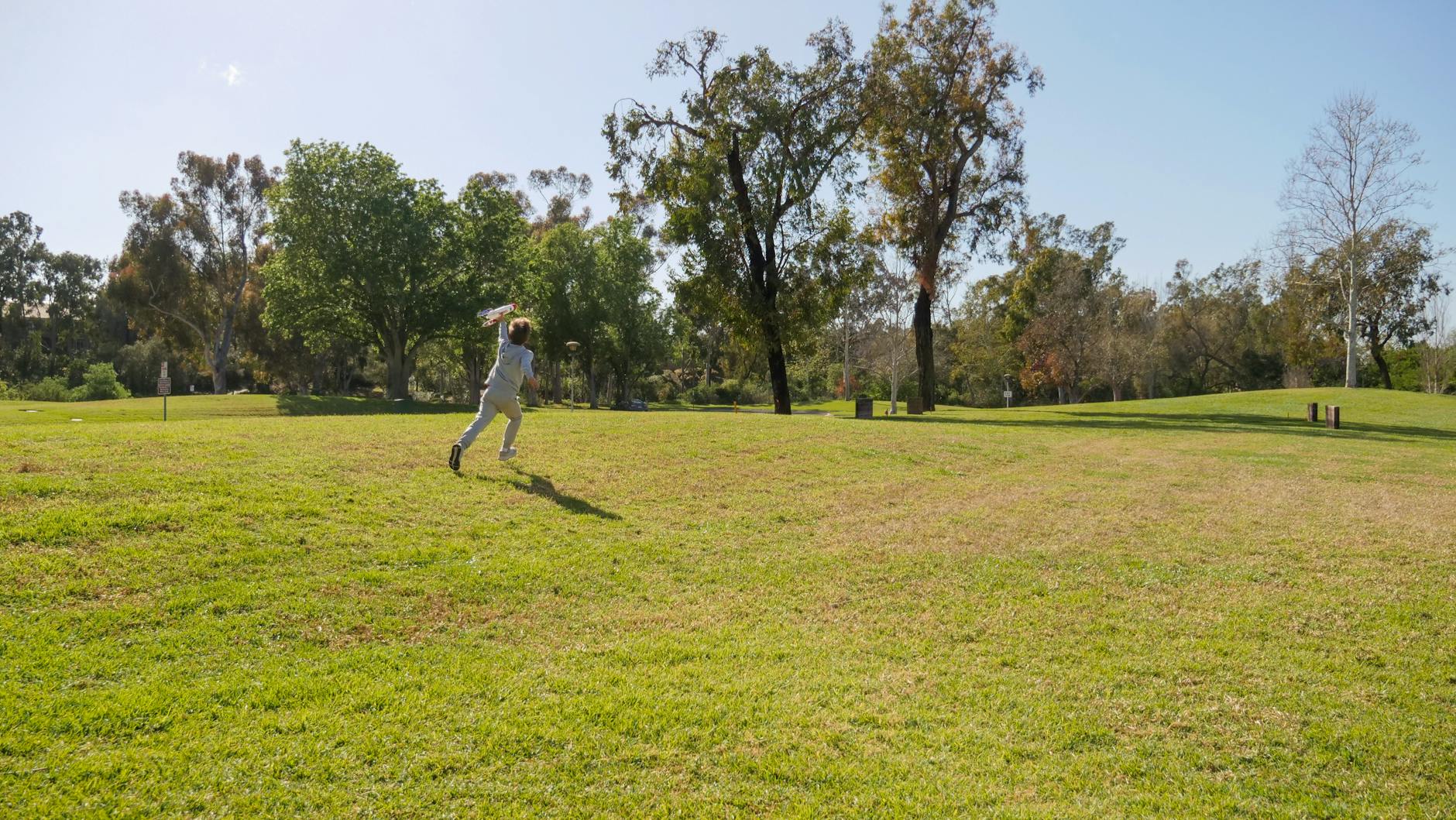
- Physical education is essential for children’s overall well-being and teaches important concepts just like core academic subjects.
- Homeschooling allows you to tailor P.E. lessons to your child’s interests and abilities, making exercise more engaging and educational.
- P.E. activities such as Move Like an Animal, Freeze Dance, Obstacle Courses/Floor is Lava, Balloon Tennis, and On-Hand Sports teach movement skills, coordination, teamwork, and creativity through play.
- Please consider subscribing and liking this post so that you are notified every time I post new content. I also have a TeachersPayTeachers store that you can connect to here and I regularly post on pinterest.
P.E., or physical education, is an important part of learning for all children. Similar to core subjects like math and science, P.E. teaches important concepts and helps to build lifelong healthy habits. Any form of exercise helps children stay healthy and strong, whether it is through play or sports. It builds muscles, improves coordination, and keeps the lungs and heart working well. In addition to improving physical health, moving your body helps your brain stay healthy too.
When homeschooling, you have the ability to customize your child’s P.E. activities to those that fit their interests and needs. Here are 5 of my kids’ favorite homeschooling P.E. lessons.
1. Move Like an Animal
Skills: Gross motor, coordination, balance, and flexibility
This game is pretty self-explanatory. Set up a safe space for your child to move around in, such as the living room, classroom, or a designated area outside. You can use painters’ tape or sidewalk chalk to measure out the distance that you want your child to do each move (or it can simply be the length of the room that you are in). You, as the teacher, call out an animal for your child to imitate in movement. For example, if you say “frog” your child would squat down and then jump/leap forward the distance that has been set, for “kangaroo” your child would hold their arms close to their body and hop forward with both feet.

If you are like me, you may enjoy incorporating different subjects together to make more cohesive daily lessons. This activity can easily be adapted to go along with any habitat/ecosystem science lesson. So, let’s say if you are currently studying the farm, use only farm animals; if your child is learning about the tundra, you could call out animals such as “wolf” or “hare”. To integrate it into social studies you could use geographically accurate animals such as a ‘jungle safari’ if learning about South America or a ‘savanna safari’ if learning about Africa. For math, you can have your child measure the distance that they move for each animal or measure how far they can ‘frog’ or ‘kangaroo’ hop. And finally, to continue on from an ELA lesson, if there have been any animals in the stories that your child is currently reading/studying (and there almost always are) you can use those animals as inspirations for the movements.
If instead of you calling out the animals, or if you would like to be able to participate instead of lead, here are some Youtube videos of similar lessons:
2. Freeze Dance
Skills: Gross motor, coordination, balance, listening, focus, and auditory processing
Freeze dance is a fun and enjoyable way for kids to get physical exercise. The concept is simple: play music and let your child dance however they choose. Then, when you turn off the music your child will freeze in whatever position that they are in.
After a few seconds, resume the song and they can resume dancing. Although this lesson is suitable for a single child, it is much more fun with either your involvement or additional children. Here are some fun freeze dance activities on Youtube to make it easier for you to play along:

3. Obstacle Courses/Floor is Lava
Skills: Gross motor, coordination, balance, core strength, motor planning, problem solving, and reasoning
Creating an obstacle course generally requires little to moderate setup. You can use furniture or other items that are already in your home to make a customized obstacle course indoors or outdoors. First, plan what kinds of movement that you want your child to do. These could include jumping, climbing, crawling, spinning, or running. For each movement, think of an activity that could correspond to it. For example, you could make a tunnel for your child to crawl through by placing a few chairs in a row and covering them with a sheet, you could place hula hoops or use painters tape to make areas for them to consecutively jump in, or you could lay a jump rope straight on the ground for them to walk on in a straight line. After setting up the course, you can time them going through it the first time and then see if they can beat their record (or those of their siblings).

For the floor is lava, little to no setup is required. You will simple say “the floor is lava” and your child must immediately stop touching the floor. They can climb on nearby furniture, or you can put out squares of cardboard, towels, or folded up blankets for them to use as rafts. If you have your child wandering around the room or outdoor area that you are using for a minute or two before calling out that the floor is lava they will have to become more creative. This is where their critical thinking and reasoning will have to come into play.
Either of these activities can also be played at a park. You can use the park equipment to set up a planned obstacle course route (a favorite of my kids) or you can randomly call out “the floor is lava” and have them climb onto the nearest play equipment. The bonus is that at the park other children may ask to join in the fun.
4. Balloon Tennis
Skills: Hand-eye coordination, gross motor, fine motor, balance, and arm strength

Balloon sports are a favorite at my house. These activities include using a balloon in place of a ball in a variety of sports. However, balloon tennis is particularly loved by my kids. In this fun game we blow up a balloon and then hit it back and forth trying to keep it from hitting the ground.
You can use your hands, ping-pong paddles, actual tennis rackets, or even made-for-console tennis rackets to hit the balloon back and forth. A point goes to the person who causes the other player to drop the balloon. You can either keep score like real tennis or make it a game of a set number of points such as 5 or 10. The game can be played in pairs or played in a circle with as many players as you want.
5. On Hand Sports
Skills: Hand-eye coordination, gross motor, teamwork, good sportsmanship, and discipline
Almost every home I know that has children in it has at least a few balls, a hula hoop, or a jump rope lying around. Any of these can be used to create multiple P.E. lessons. Whether using the equipment traditionally or by getting creative, using items that you already own is a cost-effective way to educate your child. With any of these types of items you can easily teach your child balance, hand-eye coordination, gross motor skills, and fine motor skills.

Along the same lines, taking your child to the local park or letting them swim in the pool also provides them with exercise disguised as play time. Not all P.E. lessons need to be staged and perfectly planned. Let your child explore a different play park, join them in a run around the pond, play frisbee in your backyard, or even have them go up and down the stairs. You can make just about any physical activity into a learning opportunity.
A great way to get your child involved in a structured physical activity is to have them join a local youth sport. This will give them the added benefits of learning about teamwork and good sportsmanship. Let them choose a sport that interests them or have them cycle through a few until they find one that they enjoy. You can also practice the sport with them at home to offer not only additional practice but also a P.E. lesson.
By using items that you already have and getting a little creative, you can easily teach your child important physical education concepts at home. If you are looking for some additional P.E. content to help teach your child, check out my Resources by Grade page where you can go to your child’s grade level and check out the P.E. and Health page to find great free resources.
I hope this blog gives you some awesome ideas for P.E. lessons that you can do at home. If you found this blog helpful, please consider subscribing and liking this post as it will help to grow the community as well as let me know which type of posts are more beneficial for you. If you are looking for some STEAM and STEM shows to help your preschoolers learn basic concepts check out my My Top 5: STEM and STEAM Shows for Preschoolers blog.
Find us on Pinterest!

What are some of your family’s favorite physical activities? Please share your favorites with the community in the comments below.
Leave a Reply