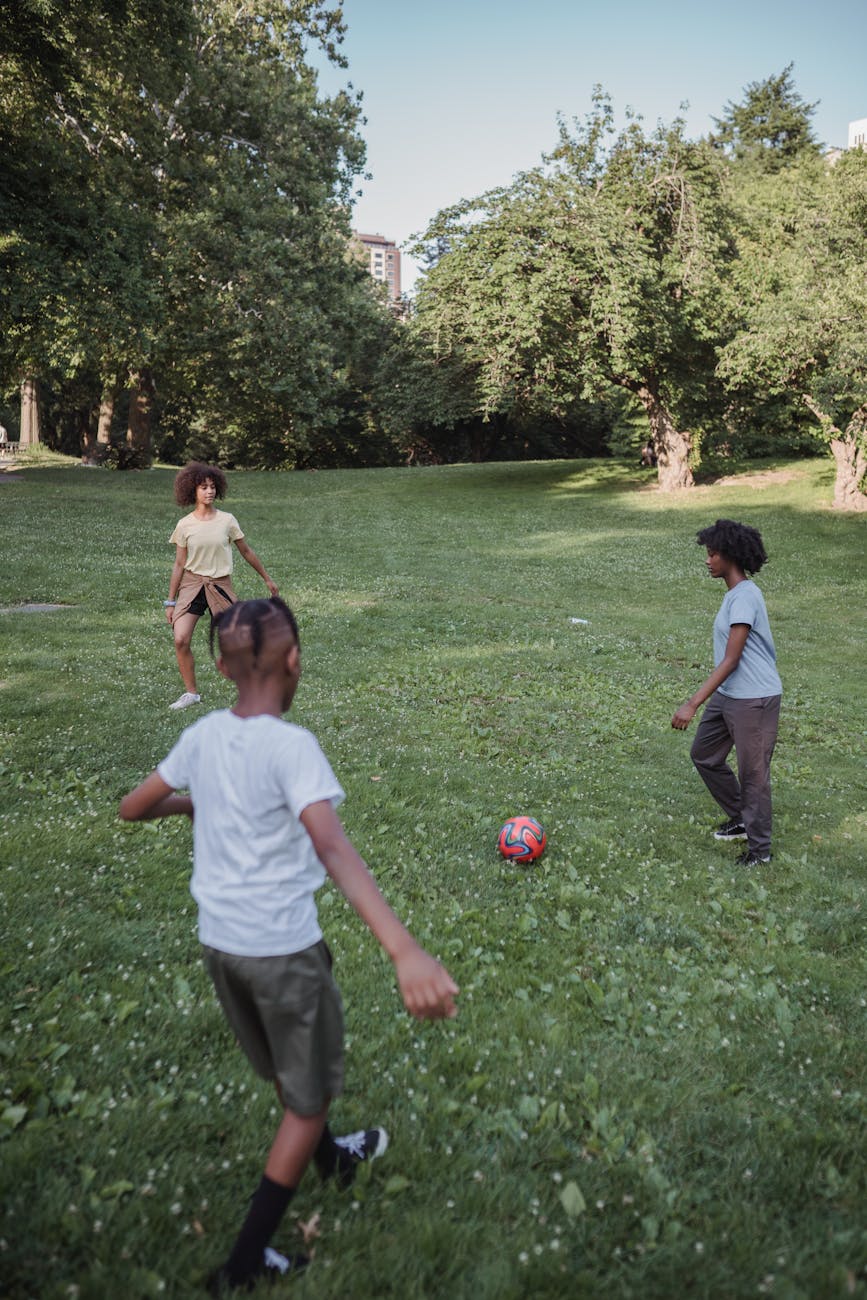
- Physical education develops children’s motor skills, physical fitness, and social behaviors from early grades through high school.
- Homeschooling families can design flexible P.E. routines by setting goals; creating weekly schedules; and varying daily focuses such as motor skills, sports, or fitness. They can also integrate related lessons from math, science, and ELA.
- Effective P.E. doesn’t require formal gym equipment; everyday items or outdoor play can support activities that build strength, coordination, and teamwork. This will make exercise enjoyable, adaptable, and personalized to your child’s interests.
- Please consider subscribing and liking this post so that you are notified every time I post new content. I also have a TeachersPayTeachers store that you can connect to here and I regularly post on pinterest.
Physical Education
P.E., or physical education, is an important part of learning for all children. Similar to core subjects like math and science, P.E. teaches important concepts and helps to build lifelong healthy habits. Throughout the elementary school years, PE teaches development in motor skills, how physical fitness relates to health, and the social behaviors needed for team sports such as good sportsmanship. This is taught through repetitive locomotor movements like jump rope, skipping, or practicing catching/throwing and through explanations of how working your muscles (including the heart and lungs) keeps them healthy and strong. Upper elementary and middle school grades focus on better developing motor skills; introducing and working on concepts such as endurance, flexibility, and muscular strength; and delving more into social behaviors by learning about peer pressure, bullying, and other negative behaviors and how to properly deal with those situations. This is covered by introducing multiple sports like tennis, basketball, volleyball, soccer, and badminton; learning about target heart rates; learning about self-reflection and how to make appropriate decisions using problem-solving techniques; and how to work cooperatively and respectfully with others. Being introduced to a variety of sports also gives your child the opportunity to find a physical activity that they enjoy and will want to continue to play even outside of school. PE for high school aged children greatly builds on the concepts learned in earlier years. For teens, the goal is to have them be able to demonstrate a variety of locomotor skills, be able to monitor themselves in a fitness program (keeping track of exercise and eating habits), be able to self-regulate and self-reflect on how to improve or do better, and be able to demonstrate responsible personal and social behaviors in group settings. Each state has its own required standards to fulfill for each grade level. To find your state’s physical education standards check out my State Standards page.
Even though homeschool students do not have a traditional gym class, there are many fun and creative ways to add physical activity to your child’s daily routine. Not to mention, homeschooling offers your child a special advantage, flexibility. You can customize your child’s P.E. activities to those that fit their interests and needs. These activities can include sports that they are interested in, activities that they like to do (running, dancing, jumping rope, etc.), the use of equipment that you already own such as a trampoline or swing set, or fun made-up activities that aim to get their bodies moving. Also, instead of being limited to a gymnasium, you can take your child biking around the neighborhood, swimming at the local pool, or out to play in the park. The goal is to make exercise fun for your child and something that they look forward to doing every day.
For my family, I like to use a combination of different activities and equipment to add variety and enjoyability to their PE classes. Some days I have them work on motor skills by jumping rope, catching and throwing a ball, jumping on the trampoline, or playing a game like hopscotch. Other days we practice a sport that they enjoy playing like softball, soccer, or tennis. And then a couple of days a week we head off to our local play park for some free play and obstacle course fun.
Adding P.E. to Your Schedule
If you want to add P.E. as an educational course in your daily/weekly homeschool schedule like I did, here are a few tips to get you started:
- Set goals. Think about what you want your child to get out of the P.E. lessons. For pre-school and early elementary students these may be simple actions such as throwing, catching, balancing, and patience. As they progress and get older you may want them to focus more on flexibility, endurance, strength, teamwork, and good sportsmanship.
- Make a Routine. Make a weekly schedule and decide whether PE will be a class that you teach every day or one that you teach a few days a week. Once a schedule is set, plan a focus for each day of class. For example, one day could focus on motor skills (jump rope, catching/throwing, balance beam), one day could focus on sports (soccer, baseball, frisbee), another day could be fitness activities (walking, biking, yoga), etc. You can even have a day where you teach about concepts such as heart rate and health benefits instead of doing physical activities.
- Incorporate Learning Across Subjects. I always love taking a lesson and incorporating it in different subjects throughout the day, and PE is no different. Math is easily added as a way to count steps, or repetitions and to measure biking or running distances. Science is another easy subject to incorporate into PE as learning how muscles work and talking about nutrition crosses over into each. For ELA ,they can keep an activity log or read books that demonstrate good social behaviors like taking turns and good sportsmanship. Older students can read books with deeper social lessons on subjects such as peer pressure or bullying. Music can also be used for dance and other rhythm activities.
- Teaching Teamwork and Sportsmanship. If you have only one child, it may seem difficult to teach them certain behaviors that pertain to working in groups. However, you can help model these concepts by taking turns playing a game, working on puzzles together or talking about fairness and respect. Another way for a homeschooling child to learn about teamwork is to enroll them in a local youth sports team. Being part of a team outside of their family and friends gives them the opportunity to learn teamwork, good sportsmanship, and respect for others from their peers and from other adults (coaches).
- Equipment and Activity Ideas. Most school gyms have a multitude of sports equipment and fitness/games paraphernalia. And it is unlikely that you will have the same variety of fitness gear at home. However, a PE class does not require any specific equipment and can easily be taught with whatever you do happen to have around the house. Jump ropes, hula hoops, balls of any size, balloons, plastic cups or cones, a bicycle, a skateboard, and even sidewalk chalk (for games like hopscotch or for measuring jumping distances) can be used. Outdoor play equipment such as swing sets, trampolines, or a jungle gym can also be incorporated into PE lessons. You can even take your child to your local play park and use the equipment there to help with balance, climbing, or to create obstacle courses.
Physical education is more than just exercise; it’s a key part of a child’s overall education. One of the most important goals of physical education is to teach children to enjoy being active. When kids learn that movement feels good, they are more likely to stay active as adults. Homeschool families can set a great example by joining in with their child’s physical activities such as taking walks as a family, participating in family yoga, or playing games together. For homeschool students, P.E. can be flexible, personal, and full of creativity. What matters most is that your child learns to move, explore, and have fun.
I hope that this blog provides you with some encouragement and ideas for teaching physical education classes at home. If you found this blog helpful please consider subscribing to and liking this post as it will help to grow the community as well as let me know which type of posts are more beneficial for you. If you are looking to get out of the house and do more learning activities outside, check out my blog Homeschooling Outside of the Home. If you are interested in creative worksheets to use with your children, check out my TeachersPayTeachers store here.
Find us on Pinterest!

What are some of your children’s favorite exercise and physical play activities? Leave a comment down below to help out fellow homeschooling familes who are interested in adding more PE activities to their lesson plans.
Leave a Reply